
"Angola coffee beans"
600 article(s) found

The best brands of Angolan coffee beans used to be Ambrish, Ambalim and New Ridondo.
Professional Coffee knowledge Exchange more Coffee Bean Information Please follow Coffee Workshop (Wechat official account cafe_style) comes from the most primitive wild jungle in Ethiopia, where coffee trees grow naturally under the protection of rainforest trees, and litter is the best natural organic fertilizer. Many people recognize it.

Characteristics of coffee producing area in Angola
Professional coffee knowledge exchange more coffee bean information please follow the coffee workshop (Wechat official account cafe_style) Indonesian coffee: when it comes to Indonesian coffee, we must not leave out Sumatra's high-end Mantenin, its unique fragrant taste, slightly acidic taste, the quality can be said to be the first in the world. In addition, Arabian coffee produced in Java is the favorite of Europeans.
The best brands of Angolan coffee beans used to be Ambrish, Ambalim and New Ridondo.
Professional Coffee knowledge Exchange more Coffee Bean Information Please follow Coffee Workshop (Wechat official account cafe_style) comes from the most primitive wild jungle in Ethiopia, where coffee trees grow naturally under the protection of rainforest trees, and litter is the best natural organic fertilizer. Many people recognize it.

Introduction of 53 varieties of coffee beans in the world
Venezuela Venezuela Angola Angola Burundi Burundi Cameroon Emulon Ethiopia Ethiopia CotedIvoire C ô te d'Ivoire Kenya Kenya Madagascar Madagascar Mozambique Mozambique Rwanda Rwanda St.Helena Saint Helena Sao Tome and Principe Sao Tome and Principe South a
Which coffee producing countries mainly produce what kind of beans?
Professional coffee knowledge exchange more coffee bean information please follow Coffee Workshop (Wechat official account cafe_style) Angola is one of the fourth largest coffee producers in the world. Although it produces only a small amount of Arabica beans, it is famous for its high quality. The coffee produced has a rich taste and mellow flavor. Before the independence of Angola, food was not only self-sufficient, but also exported in large quantities. It is known as Southern Africa.

International Coffee Organization member Fine Coffee Bean Organization
Angola Austria Austria Benin Benin Belgium / Luxembourg Belgium/Luxemburg Bolivia Bolivia UK Britain Brazil Brazil Cyprus Cyprus Burundi Burundi Denmark Denmark Cameroon Cameroon Finland Finland Central African Republic Central African R.

Boutique Coffee introduction of 53 Coffee producing areas in the World 4
twenty-three. Angola, once a big coffee producer, exported 3.5 million bags of coffee a year in the mid-1970s, 98 per cent of which was Roberts (probably the best in Africa), but total production fell to 200000 bags in 1990. The best brands in Angola used to be Ambriz and Amborm.
Introduction of three Coffee varieties
Arabica variety (Arabica) is suitable for plateau cultivation, Robesta variety (Robusta) is suitable for lowland cultivation, and Liberian variety (Liberica) is suitable for minimum cultivation.

Where is the main distribution of coffee in Africa, the birthplace of coffee?
Professional coffee knowledge exchange more coffee bean information please follow coffee workshop (Wechat official account cafe_style) Coffee producing area in Africa the first coffee tree in the world was found in the Horn of Africa. Local tribes often grind the fruit of coffee and knead it with animal fat to make many ball-shaped balls. These aboriginal tribes put these coffee balls

Basic knowledge of coffee beans comparison of basic data of coffee bean varieties
Suitable cultivation conditions: Arabica variety (Arabica) is suitable for plateau cultivation, Robesta variety (Robusta) is suitable for lowland cultivation, and Liberian variety (Liberica) is suitable for minimum cultivation. Production: the Arabica variety (Arabica) accounts for about 70-80% of the world's total output; the Robesta variety (Robusta) accounts for about 20-30% of the world's total output of Liberian varieties (Liberica)
Basic information on coffee varieties
Suitable cultivation conditions: Arabica variety (Arabica) is suitable for plateau cultivation, Robesta variety (Robusta) is suitable for lowland cultivation, and Liberian variety (Liberica) is suitable for minimum cultivation. Production: the Arabica variety (Arabica) accounts for about 70-80% of the world's total output; the Robesta variety (Robusta) accounts for about 20-30% of the world's total output of Liberian varieties (Liberica)
Comparison of basic data of Coffee varieties
Suitable cultivation conditions: Arabica variety (Arabica) is suitable for plateau cultivation, Robesta variety (Robusta) is suitable for lowland cultivation, and Liberian variety (Liberica) is suitable for minimum cultivation. Production: the Arabica variety (Arabica) accounts for about 70-80% of the world's total output; the Robesta variety (Robusta) accounts for about 20-30% of the world's total output of Liberian varieties (Liberica)

Comparison of basic Information of Coffee varieties
Suitable cultivation conditions: Arabica variety (Arabica) is suitable for plateau cultivation, Robesta variety (Robusta) is suitable for lowland cultivation, and Liberian variety (Liberica) is suitable for minimum cultivation. Production: the Arabica variety (Arabica) accounts for about 70-80% of the world's total output; the Robesta variety (Robusta) accounts for about 20-30% of the world's total output of Liberian varieties (Liberica)
Comparison of basic data of Fine Coffee varieties
Suitable cultivation conditions: Arabica variety (Arabica) is suitable for plateau cultivation, Robesta variety (Robusta) is suitable for lowland cultivation, and Liberian variety (Liberica) is suitable for minimum cultivation. Production: the Arabica variety (Arabica) accounts for about 70-80% of the world's total output; the Robesta variety (Robusta) accounts for about 20-30% of the world's total output of Liberian varieties (Liberica)

Comparison of basic data of Coffee varieties
Suitable cultivation conditions: Arabica variety (Arabica) is suitable for plateau cultivation, Robesta variety (Robusta) is suitable for lowland cultivation, and Liberian variety (Liberica) is suitable for minimum cultivation. Production: the Arabica variety (Arabica) accounts for about 70-80% of the world's total output; the Robesta variety (Robusta) accounts for about 20-30% of the world's total output of Liberian varieties (Liberica)
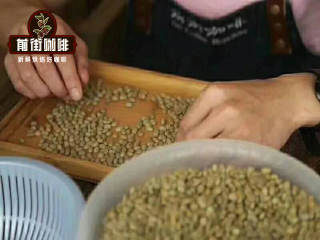
Where is African coffee mainly distributed? The introduction of the top coffee bean producing areas in Africa and the origin of coffee.
The world's first coffee tree was found in the Horn of Africa. Local tribes often grind the fruit of coffee and knead it with animal fat to make many ball-shaped balls. These indigenous tribes regard these coffee balls as precious food for those soldiers who are about to go out to battle. at that time

African coffee beans are the birthplace of coffee in Africa.
Professional coffee knowledge exchange More coffee bean information Please pay attention to coffee workshop (Weixin Official Accounts cafe_style) The world's first coffee tree was found in the Horn of Africa. Local indigenous tribes often grind the fruit of coffee and knead it with animal fat to make many spherical balls. These indigenous tribes treat these coffee balls as precious food
The variety of coffee
The varieties of coffee beans (Coffee Bean) can be divided into three types, namely Arabica (Arabica), Robusta (Robusta) and Lubebica (Liberica)

The origin and difference of all kinds of coffee hand coffee grinder
● Angola, the fourth largest coffee industry in the world, produces only a small amount of Arabica coffee, which is of high quality, but unfortunately, its annual output is extremely unstable due to its political unrest. The hometown of ● Ethiopian Arabica coffee, growing up at high latitudes, needs a lot of manual care. This is the famous Esopiamoka, it has
Basic knowledge about coffee
What is coffee? Coffee is the fruit of a Rubiaceae plant grown at altitudes of about 6,000 feet and distributed along narrow subtropical axes around the world; the coffee tree is green all year round and can grow up to 20 feet tall, usually controlled to 8 to 10 feet tall for easy harvesting.